Randall J. Lopez
In today’s world, saving money has become more important than ever. A savings account is a great way to keep your money safe while earning some interest. But have you ever wondered how interest on a savings account is actually calculated? In this article, we will dive into the details of how savings account interest rates work and how your money grows over time.
What is a Savings Account?
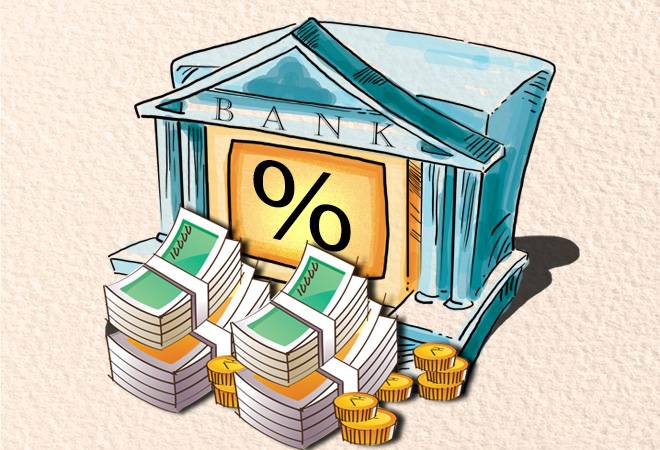
Before we get into the nitty-gritty of interest rates, let’s briefly explain what a savings account is. A savings account is a type of bank account where you can deposit your money and earn interest on the balance. It is a safe and secure way to store your funds while also allowing you to earn a little extra money on top.
Understanding Savings Account Interest Rates
The interest rate on a savings account is the percentage of the principal balance that the bank pays you for keeping your money in the account. This rate can vary depending on the bank and the type of savings account you have. Typically, savings account interest rates are lower than other types of investments, such as stocks or bonds, but they are also much safer.
How Is Interest Calculated?
Now, let’s get into the details of how interest on a savings account is calculated. Most savings accounts use a simple interest formula to determine how much interest you earn over time. The formula for calculating interest is:
Interest = Principal balance x Interest rate x Time
- Principal balance: This is the amount of money you have in your savings account.
- Interest rate: This is the annual percentage rate (APR) that the bank pays you for keeping your money in the account.
- Time: This is the amount of time your money is deposited in the account, usually measured in years.
By multiplying these three factors together, you can calculate how much interest you will earn on your savings account over a certain period of time.
Example Calculation
Let’s say you have $1,000 in a savings account with an interest rate of 2% per year. If you keep your money in the account for one year, the calculation would look like this:
Interest = $1,000 x 0.02 x 1 = $20
In this example, you would earn $20 in interest over the course of one year. The longer you keep your money in the savings account, the more interest you will earn over time.
Factors Affecting Savings Account Interest Rates
Several factors can affect the interest rate on a savings account. These include:
- Economic conditions: The overall economy can impact interest rates across the board.
- Bank policies: Each bank sets its own interest rates based on various factors.
- Account balance: Some banks offer higher interest rates for larger balances.
- Type of account: Different types of savings accounts may offer different interest rates.
Choosing the Right Savings Account
When choosing a savings account, it’s essential to consider the interest rate being offered. While interest rates may be low compared to other investment options, they can still make a significant difference in the long run. Take the time to compare rates and find a savings account that offers a competitive interest rate.
Final Thoughts
Understanding how interest on a savings account is calculated can help you make informed decisions about where to keep your money. While savings account interest rates may not make you rich overnight, they can provide a steady and reliable way to grow your funds over time. By choosing a savings account with a competitive interest rate and keeping your money deposited for as long as possible, you can watch your savings grow steadily year after year.