Randall J. Lopez
Credit Check Financial Accounting Request Form Concept
| Overview: Getting your first credit card in India requires understanding eligibility criteria, documentation, the application process, and smart usage strategies. This comprehensive guide covers everything from choosing the right card to building your credit score, with practical calculations and expert tips for beginners navigating the credit landscape in 2025. |
Why Your First Credit Card Matters More Than You Think
India now has over 100 million active credit cards, with 40% of new cardholders being first-time users from urban and semi-urban areas. Getting your first card right sets the foundation for your entire financial journey. When you apply for your new credit card for the first time, you are not just getting a payment tool; you are building your credit history that will determine your future loan eligibility, interest rates, and financial opportunities.
Many first-timers make costly mistakes by choosing cards with high fees or misunderstanding credit card interest rate structures. With proper planning, your first card can save you thousands annually through cashback and rewards while building a strong CIBIL score.
Understanding Credit Cards: The Basics You Need
A credit card provides you with borrowed money up to a sanctioned limit. Every purchase is essentially a short-term loan that you must repay by the due date. Miss the deadline, and the credit card interest rate kicks in.
Key Components Every First-Timer Should Know
| Component | What It Means | Impact on You |
| Credit Limit | Maximum amount you can spend | Affects your credit utilisation ratio |
| Billing Cycle | 30-day statement period | Determines your payment due date |
| Minimum Due | Smallest amount to avoid late fees | Usually 5% of total outstanding |
| Annual Fee | Yearly card maintenance cost | Can be ₹0 to ₹5,000+ depending on card |
| Pro Tip: Keep your credit utilisation below 30% of your limit. If you have a ₹50000 limit, do not spend more than ₹15000 monthly to maintain a healthy credit score. |
Step-by-Step Application Process
Applying for a credit card is simple when you know the right steps; from checking your eligibility to submitting your documents, each stage matters.
Step 1: Check Your Eligibility
Before you apply for a new credit card, ensure you meet the basic criteria:
- Age: 21-60 years (varies by issuer)
- Minimum monthly income: ₹15000-₹25000
- Indian resident status
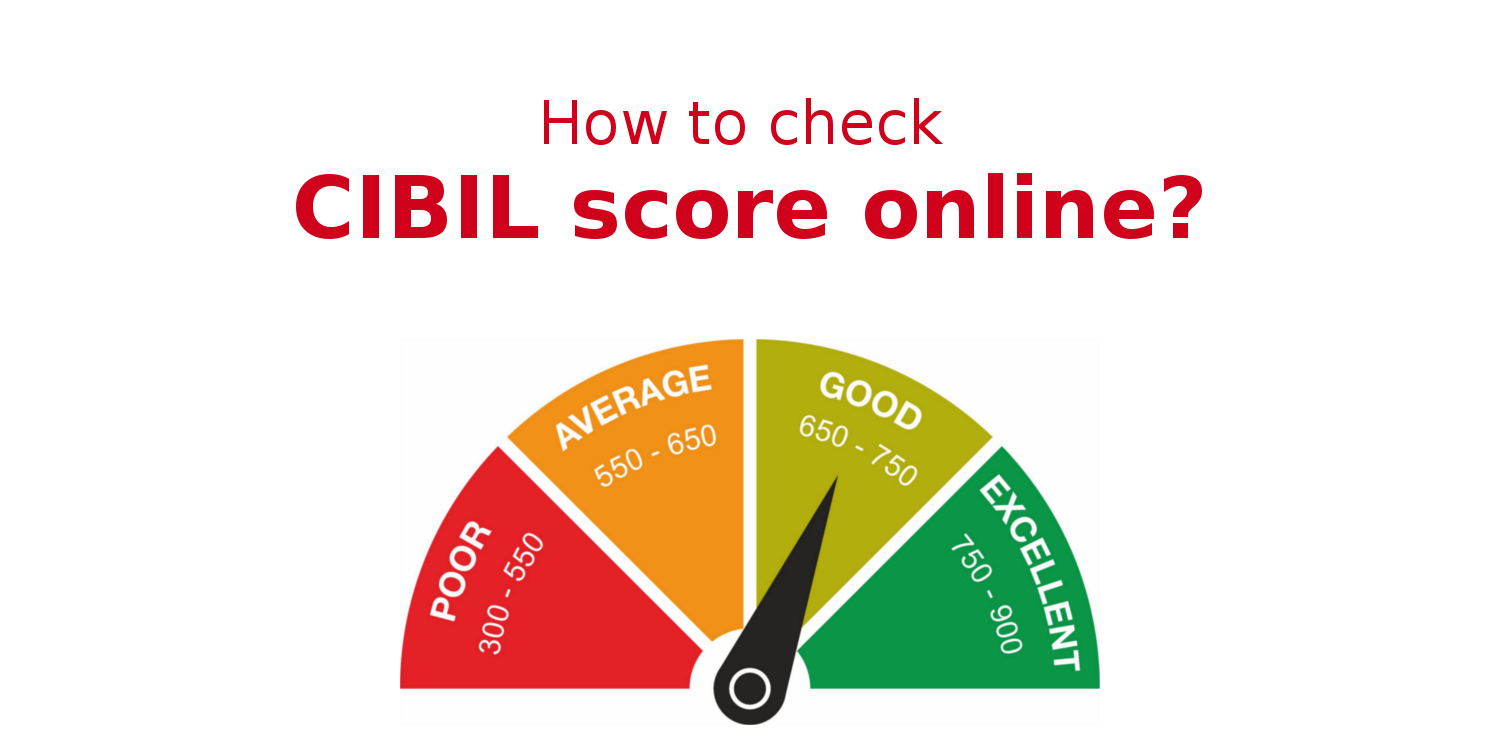
- CIBIL score: 650+ preferred (though some cards accept lower scores)
Step 2: Gather Required Documents
Standard documentation includes:
- Identity proof (Aadhaar, PAN card)
- Address proof (utility bills, Aadhaar)
- Income proof (salary slips, bank statements, ITR)
- Recent passport-size photographs
Most issuers now offer digital KYC through video calls and document uploads, making the process faster than traditional branch visits.
Step 3: Choose the Right Card Type
When you explore credit card options, consider your spending patterns and financial goals.
| Card Category | Best For | Annual Fee | Key Benefits |
| Lifetime Free | First-timers, students | ₹0 | No annual charges, basic rewards |
| Secured Cards | No credit history | ₹0-₹500 | FD-backed, guaranteed approval |
| Cashback Cards | Regular spenders | ₹500-₹1,500 | High returns on specific categories |
| Rewards Cards | Premium users | ₹1,000+ | Points, airport lounges, insurance |
Step 4: Application Processing
Once you apply for a new credit card, the bank initiates these steps:
- Document verification
- CIBIL score check (hard inquiry)
- Income assessment
- Internal risk evaluation
- Final approval/rejection decision
Processing Time: 3-7 working days for most applications
Step 5: Card Activation and Setup
After approval:
- Receive the card via courier
- Call customer care or use the mobile app to activate
- Set your 4-digit PIN
- Register for online banking and mobile alerts
- Enable/disable international transactions as needed
Alt Text: Shopping with a credit card.
Link: https://www.freepik.com/free-vector/credit-card-payment-concept-landing-page_5614992.htm#fromView=search&page=1&position=38&uuid=1d791748-40fa-4363-9a6e-cb303a759510&query=credit+card+application
Smart Usage Strategies for Maximum Benefit
Once you’ve got your credit card, the real key lies in how you use it. Smart spending and timely payments can actually work in your favour.
Building Your Credit Score
Your credit score depends on five factors:
- Payment history
- Credit utilisation
- Credit history length
- Credit mix
- New credit inquiries
Mistakes to avoid:
- Never use more than 30% of your credit limit
- Don’t apply for multiple cards simultaneously
- Avoid cash withdrawals (they attract immediate interest)
- Never miss payment due dates
Calculating Interest on Outstanding Balances
Understanding credit card interest rate calculations helps you make informed decisions. Interest is calculated daily using this formula:
Daily Interest = (Outstanding Amount × Annual Interest Rate) ÷ 365
For example, with ₹25,000 outstanding at a 36% annual rate:
Daily Interest = (₹25,000 × 0.36) ÷ 365 = ₹24.66
Over 30 days, you’d pay ₹740 in interest charges alone.
| Did You Know? Many premium cards offer zero-cost EMI options on electronics and appliances, saving you hundreds in processing fees. |
Making Your First Application Count
When ready to apply for a new credit card, choose wisely. Consider starting with the Airtel Axis Bank Credit Card if you are an Airtel customer, as it offers seamless integration with your mobile services and attractive cashback on telecom spends.
Download the Airtel Thanks app to check your eligibility and complete the application process digitally. The platform offers instant pre-approval decisions for qualified candidates, making your first credit card journey smooth and transparent.
Your first credit card is a stepping stone to financial independence. Use responsibly, and watch your credit profile strengthen over time. Start with a card that matches your lifestyle, maintain disciplined payment habits, and gradually unlock premium financial products as your credit history builds.
FAQs
1. What minimum CIBIL score is needed when you apply for a new credit card for the first time?
Most banks prefer scores above 650, but secured cards backed by fixed deposits are available even with no credit history or lower scores.
2. How does the credit card interest rate calculation work on outstanding balances?
Interest is calculated daily on your outstanding amount using annual percentage rates divided by 365, then compounded monthly on unpaid balances.
3. Can students with a new credit card apply without regular income proof?
Yes, students can opt for secured credit cards by pledging fixed deposits or get add-on cards under their parents’ primary accounts.
4. What happens if I exceed my credit limit when using my first card?
Banks charge overlimit fees of ₹500-₹1000 per instance, and repeated violations may lead to card blocking or limit reduction.
5. How long does it take to build a credit score after getting a first card?
With responsible usage and timely payments, you can build a good credit score of 700+ within 6-12 months of regular card activity.